

Introduction to Migratory Birds
Migratory birds are species that travel from one region to another at regular intervals, often spanning thousands of miles. This fascinating phenomenon, known as migration, typically occurs seasonally and is driven by a variety of factors. The primary reasons for migration include the need for optimal breeding conditions, availability of food sources, and changes in climate. For many birds, wintering in warmer climates allows them to find more abundant food and better living conditions, while returning to their original habitats in the spring facilitates breeding and raising their young.
The migration patterns of birds are influenced by a combination of environmental cues and instinctual behaviors. Many species rely on changes in daylight, temperature, and weather patterns to guide their journey. These migratory routes, often referred to as flyways, are critical paths that connect breeding grounds to wintering habitats, and some migratory birds will travel along the same route year after year. This consistent behavior not only allows individual species to thrive but also plays a vital role in maintaining biodiversity within various ecosystems.
Understanding migratory behavior is essential as it contributes to the broader context of ecological health. Migratory birds act as indicators of environmental changes, as their movements are closely tied to climate and habitat conditions. Loss of habitat, climate change, and other environmental threats pose significant challenges to their survival. This highlights the importance of conservation efforts aimed at protecting migratory routes and habitats, ensuring that future generations may continue to enjoy the spectacular sight of these beautiful avian travelers. As we delve into the world of migratory birds, we will explore some of the most stunning species that grace our skies, illuminating the beauty and significance of their journeys.
Criteria for Selecting the Top Migratory Birds
The selection of the top migratory birds for the summer of 2025 is grounded in a comprehensive set of criteria that emphasizes beauty, uniqueness, global distribution, and the significance of their migratory patterns. Each of these factors plays a crucial role in identifying birds that not only captivate the eye but also contribute meaningfully to the ecosystem and culture.
Firstly, beauty is a primary consideration. Aesthetic appeal can encompass vibrant plumage, intricate patterns, and unique body shapes that distinguish one species from another. Birds such as the resplendent quetzal or the blue morpho butterfly exemplify the radiant colors that draw both birdwatchers and nature enthusiasts alike. Their visual allure makes them prime subjects for observation during the summer months when migratory paths bring them into focal regions.
Secondly, the uniqueness of a bird species is evaluated based on its specific adaptations, rarity, and ecological role. This criterion highlights the importance of birds that possess distinctive traits or behaviors that are not found in other species, making them important for biodiversity. For instance, the Arctic tern exhibits a remarkable migration pattern, traveling from the Arctic to Antarctic, which is unparalleled in distance. Such extraordinary behaviors not only signify uniqueness but also underscore the role these birds play in the cycles of life.
Furthermore, global distribution influences the accessibility of observing these migratory birds. Some species have widespread ranges, making them easier to encounter across different habitats. Lastly, the significance of migratory patterns sheds light on the environmental indicators these birds represent, reflecting broader ecological changes. Understanding these patterns allows observers to appreciate the intricacies of avian life and their connections to environmental health.
The American Robin: A Summer Symbol
The American Robin (Turdus migratorius) is a quintessential symbol of summer in North America, renowned for its distinctive red-orange breast and melodious song. As one of the most recognizable migratory birds, it graces a variety of landscapes, from urban gardens to rural backyards, making it a joyous sight for bird enthusiasts and casual observers alike. These birds return each spring from their southern wintering grounds in Central America and Mexico, marking the seasonal transition with their arrival. Their migration patterns are deeply ingrained in the culture and folklore of the region, often signifying the onset of warmer weather and the renewal of nature.
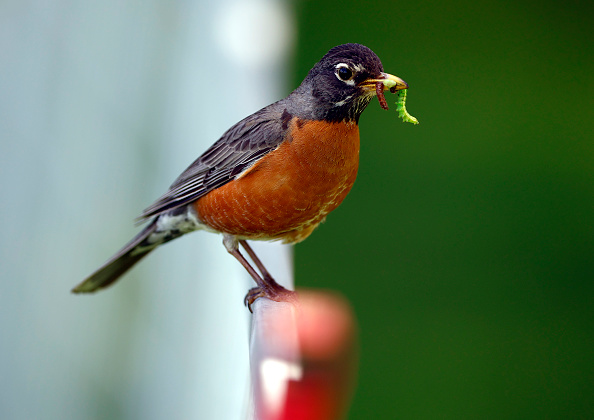
The breeding habits of the American Robin are notable as well. These birds typically build their nests in trees or shrubs, favoring locations near human habitation due to the abundance of food sources, such as insects and berries. The female robin plays a crucial role in nesting, laying an average of three to five eggs, which she incubates for approximately two weeks. This nurturing phase is essential, as the robin’s young emerge ready to absorb the summer sunshine, contributing to the vibrant ecosystem. Their presence in gardens significantly benefits local flora, as their feeding behaviors promote seed dispersal and help manage insect populations.
The Arctic Tern: Champion of Distance
The Arctic Tern (Sterna paradisaea) is a remarkable species of migratory bird, renowned for its exceptional ability to traverse vast distances. This small seabird is famed for its migratory journey, which can span over 70,000 kilometers (approximately 43,500 miles) annually. The Arctic Tern undertakes one of the longest migrations of any animal in the world, traveling from its breeding grounds in the high Arctic to the wintering areas in the Antarctic. This extraordinary round trip showcases the bird’s remarkable endurance and navigational skills.
Physically, the Arctic Tern is adorned with striking white plumage, complemented by a black cap on its head, which adds to its elegance in flight. The bird’s slender body and long wings are perfectly adapted for soaring over oceans, allowing it to cover great distances with efficiency. During migration, these terns can be observed flying gracefully, and their acrobatic displays while foraging for fish exemplify their remarkable flying abilities.
The breeding grounds of the Arctic Tern are primarily located on rocky islands across the Arctic regions, including parts of Greenland, Canada, and northern Europe. Here, they engage in courtship displays and establish nests where they lay their eggs. The care provided by both parents during the incubation period showcases their dedication to ensuring the survival of their young. Interestingly, the Arctic Tern has a long lifespan, often living up to 30 years or more. This longevity allows them to return to the same breeding sites year after year, reinforcing the bond they develop with these locations.
In summary, the Arctic Tern’s migratory journey exemplifies the extreme nature of avian migration, underscoring the challenges and wonders of flight in the animal kingdom. Their stunning appearance and incredible travels make them a fascinating subject for birdwatchers and nature enthusiasts alike.
The Barn Swallow: Graceful Glider
The Barn Swallow (Hirundo rustica) is a small, yet striking migratory bird that captivates observers with its graceful flight and vibrant plumage, characterized by iridescent blue upperparts and warm orange underparts. As one of the most widespread species in the world, this bird is not only admired for its beauty but also for its remarkable flying abilities. With its long, forked tail and pointed wings, the Barn Swallow effortlessly glides through the air, displaying impressive agility and speed.
These swallows are typically found in open environments, especially near water bodies, where they engage in aerial acrobatics while foraging for insects. Their preference for disturbed habitats, often around human settlements, makes them a common sight during the summer months when they return from their wintering grounds in Central and South America. During this time, birdwatchers eagerly anticipate their arrival, heralding the onset of warm weather.
Nesting habits of the Barn Swallow are quite distinctive as they are known for constructing their mud nests under eaves, bridges, and other sheltered locations. These nests are meticulously crafted and displayed in colonies, emphasizing their social behavior. The presence of multiple families in close proximity not only fosters a sense of community but also provides communal protection against predators.
Aside from their aesthetic appeal, Barn Swallows play a vital role in controlling insect populations. Their diet primarily consists of flying insects, making them effective natural pest controllers. By consuming large quantities of insects daily, they contribute significantly to maintaining ecological balance, thereby earning the admiration of farmers and gardeners alike. This combination of beauty, behavior, and ecological importance makes the Barn Swallow a cherished bird among birdwatchers and nature enthusiasts throughout its summer stay.
The Painted Bunting: A Colorful Gem
The Painted Bunting (Passerina ciris) is renowned for its stunning plumage, showcasing a captivating array of vibrant colors. Males exhibit a striking combination of blue, green, and red, making them one of the most visually appealing birds in North America. Females, on the other hand, possess a more subdued coloration, primarily featuring yellow and olive hues, which serve as excellent camouflage in their natural habitat. This sexual dimorphism not only enhances the male’s allure, but also plays a critical role in attracting mates during the breeding season.
Breeding grounds for the Painted Bunting are predominantly located in the southern regions of the United States, particularly in areas like Texas and Oklahoma. As summer approaches, these birds migrate northward, ensuring optimal conditions for nesting and raising their young. Their migratory routes also extend to parts of Central America for the winter months, illustrating their resilience and adaptability. During migration, birdwatchers eagerly anticipate sightings of these colorful gems while they stop to refuel along their journey.
Due to their vivid coloration and relatively elusive nature, Painted Buntings can be rare sights in backyards, adding to their appeal. Observing these stunning birds in a natural setting is a thrilling experience for bird enthusiasts. The allure of the Painted Bunting lies not only in its beauty but also in its intriguing behaviors and migratory patterns, making them a true highlight for those lucky enough to encounter them during the summer months.
The Indigo Bunting: A Visual Delight
The Indigo Bunting, known scientifically as Passerina cyanea, is a strikingly vibrant bird that showcases a deep blue hue, one that can captivate any observer. This small migratory songbird typically measures around 5 to 6 inches in length and is primarily found in open woodlands, fields, and gardens across North America during the summer months. Beyond its stunning appearance, the Indigo Bunting is also celebrated for its melodious song, which consists of a series of sweet, cheerful notes that echo through its chosen habitat.

The migratory behaviors of the Indigo Bunting are particularly fascinating. Each year, these birds journey from Central America, where they spend the winter, to the breeding grounds in North America. This remarkable migration can cover thousands of miles, with some individuals traveling as far north as Canada. They typically arrive at their summer locations in late spring, generally around May, providing a delightful addition to the landscape as their brilliant blue plumage emerges amidst the greenery.
In terms of nesting, the Indigo Bunting prefers areas with abundant shrubs and low trees, which offer privacy and protection against predators. The female is responsible for building the nest, a cumbersome task involving the collection of grasses and other plant materials, which she skillfully assembles into a bowl shape. After laying 2 to 5 eggs, she incubates them for about 12 days before they hatch, showcasing an organized breeding process that ensures the survival of the next generation.
Overall, the Indigo Bunting not only exemplifies the visual splendor of summer with its radiant colors and enchanting songs but also plays a vital role in the ecological balance of its habitat. Its presence significantly contributes to the richness of avian life and reinforces the importance of preserving the environments in which these migratory birds thrive.
The European Swallow: A Global Nomad
The European Swallow, scientifically known as Hirundo rustica, is a remarkable species known for its long-distance migrations and adaptability to various environments. This small bird is the epitome of resilience, traveling thousands of kilometers from breeding grounds in Europe to wintering habitats in Africa. The European Swallow undertakes this impressive journey annually, demonstrating incredible navigational skills; it skillfully avoids obstacles and finds its way back to familiar nesting areas with precision.
Socially, the European Swallow thrives in colonies, often nesting in close proximity to others. These birds are known for their distinctive forked tails and iridescent plumage, which makes them particularly appealing to wildlife observers. Their nests, typically built under eaves or in barns, are constructed from mud, demonstrating their resourcefulness. The communal nesting behavior not only provides safety in numbers but also fosters a lively social atmosphere in their breeding areas.
However, the migratory journey of the European Swallow is fraught with challenges. Habitat loss, climate change, and adverse weather conditions can significantly impact their survival. Conservation efforts are necessary to ensure that these migratory birds continue to thrive. Protecting their nesting sites and migratory routes is essential in facilitating successful reproduction and population stability. As climate patterns shift, ongoing research into the changing migratory habits of the European Swallow is critical. Understanding these dynamics will help bolster conservation strategies designed to support this beautiful bird.
In essence, the European Swallow represents not just a marvel of nature through its stunning appearance and intricate behaviors but also the pressing need for conservation awareness to protect this global nomad. As summer 2025 approaches, bird watchers and nature enthusiasts eagerly anticipate the return of these graceful birds, eager to observe their enchanting flight and listen to their characteristic calls.
The Red Knot: An Amazing Odyssey
The Red Knot (Calidris canutus) is a remarkable shorebird that exemplifies the incredible stamina and endurance required for long-distance migration. Known for its striking transformation in plumage, the Red Knot features a distinctive rusty-red coloration during the breeding season, making it a captivating sight against coastal landscapes. As summer approaches, this small bird embarks on an impressive migratory journey, often traveling thousands of miles between its breeding grounds in the Arctic regions and wintering habitats in South America. This annual odyssey is crucial not only for the survival of the species but also for the ecosystems they inhabit.
During migration, Red Knots rely on vital stopover sites where they replenish their energy reserves. These critical habitats, often located along coastal areas and estuaries, provide essential food resources, such as mollusks and other invertebrates. The availability of these food sources is vital for the Red Knot to complete its long journey. Unfortunately, these habitats are increasingly threatened by environmental changes, urban development, and pollution, leading to a decline in Red Knot populations. Maintaining and protecting these essential stopover sites is crucial for ensuring the survival of this migratory bird.
The decline of the Red Knot serves as a stark reminder of the broader challenges faced by migratory birds due to habitat loss and climate change. As a species that plays an important role in maintaining the ecological balance, the Red Knot’s migration is not just a personal journey but a vital component of the health of its ecosystem. Protecting this migratory marvel is a shared responsibility that underscores the need for conservation efforts dedicated to preserving their habitats. To ensure future generations can admire the Red Knot and benefit from its contributions to biodiversity, active measures are needed to safeguard their migratory paths and critical environments.
Conclusion: Embracing the Beauty of Summer Migration
As we reflect on the remarkable journey of migratory birds, it becomes evident that their beauty and resilience are not just awe-inspiring but also a vital component of our global ecosystems. The ten species highlighted throughout our exploration showcase the diverse adaptations and incredible endurance these birds possess as they traverse vast distances. Each bird’s migration is a testament to nature’s intricate design, reminding us of the interconnectedness of all living organisms and the environments in which they thrive.
Migratory birds play an essential role in various ecological processes, including pollination, seed dispersal, and maintaining the balance of ecosystems. Their seasonal journeys create a dynamic tapestry of life, influencing the cultural and environmental landscapes across continents. As they connect different regions, they serve as emblematic symbols of the earth’s shared resources, and their presence is a reminder of our responsibility to safeguard the habitats they rely on during their migration.
In light of this shared responsibility, it is imperative that we advocate for the protection of migratory routes and the conservation of key habitats. Engaging in birdwatching can serve not only as a pleasurable hobby but also as a powerful means of raising awareness about the challenges these birds face due to habitat loss, climate change, and human interference. By observing and celebrating these phenomenal birds, we foster a sense of stewardship towards their survival.
Thus, let us embrace the beauty of summer migration and actively participate in efforts to ensure that future generations will also experience the splendor of these avian wanderers. By engaging in local conservation initiatives and advocating for sustainable practices, we can contribute to the protection of migratory birds and the critical ecosystems they inhabit. The beauty of these migratory journeys invites each of us to play a role in preserving the natural world and fostering a deeper connection to the fascinating realm of birdlife.

Leave a Reply