
The De-Extinction Debate: Should We Attempt to Bring Extinct Animals Back?
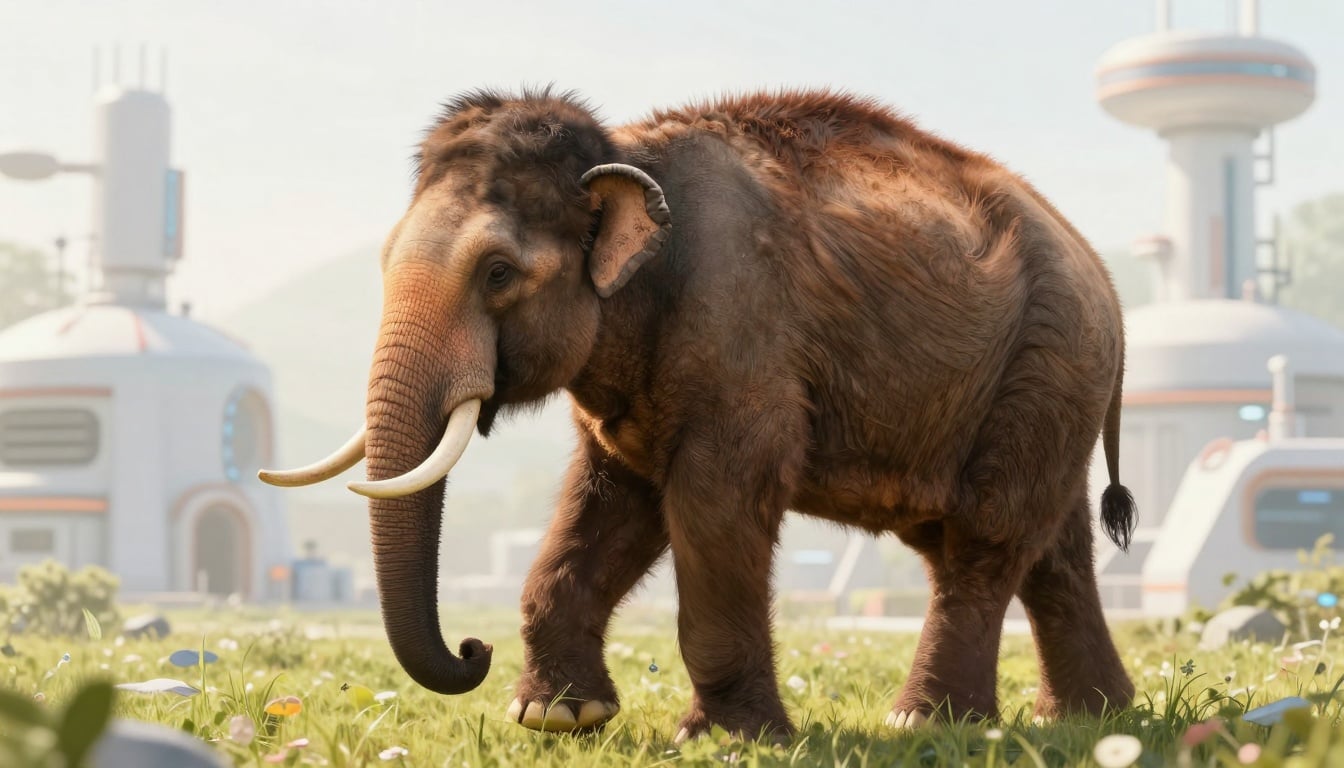
Picture this: a massive woolly mammoth lumbers across a snowy plain, its trunk swinging as it uproots trees. It’s a sight from 10,000 years ago, but what if we could make it real again? De-extinction, or resurrection biology, means using science to bring back species that vanished from Earth. This idea sparks wonder, but it also raises tough questions about nature and our role in it.
Today, species disappear faster than ever. Experts say we lose one every few hours due to habitat loss and climate shifts. That’s why de-extinction grabs attention as a way to fix some damage. Yet, the pull of science clashes with big issues like ethics, ecology, and money. Should we chase this dream, or focus on saving what’s still here?
The Science Behind Bringing Back the Dead: De-Extinction Technologies
Scientists work hard to turn back the clock on extinction. They pull DNA from old bones or frozen remains. This ancient DNA, or aDNA, often breaks into tiny pieces. Teams piece it together like a puzzle, using computers to fill gaps. For the woolly mammoth, they’ve sequenced most of its genome from permafrost finds in Siberia. The passenger pigeon, gone since 1914, has a full genetic map too. These steps show how close we are to cracking the code.
Genomic Sequencing and the Pursuit of Ancient DNA
Grabbing aDNA isn’t easy. It degrades over time from heat, water, or bacteria. But cold spots like caves or ice preserve it better. Labs extract it carefully, then amplify bits with PCR machines. They compare it to living relatives to spot differences. Take the dodo bird—its DNA from museum specimens helps map its traits. Success here could guide full revivals. Still, gaps in the sequence mean we can’t clone perfectly yet.
Cloning vs. Genetic Engineering (CRISPR)
Cloning tries to copy the whole animal. You need a good nucleus from the extinct one and pop it into an egg from a close kin. That’s what happened with the Pyrenean ibex in 2003. They used goat eggs as hosts, and a clone named Celia was born—briefly. But genetic engineering offers a smarter path. CRISPR lets us edit genes in a living species to match the lost one. For mammoths, they’d tweak elephant DNA to add fur or cold-proof blood. This proxy method skips full cloning woes. Cloning risks errors; editing feels more precise.
Overcoming Biological Hurdles: Surrogacy and Gestation
Even with good genes, birth poses problems. Surrogates must carry the embryo to term. For mammoths, Asian elephants might serve, but their pregnancies last 22 months. Stress could harm both mom and baby. Past trials show high death rates—over 90% in some clones fail early. The revived animal might face weak lungs or odd behaviors. We need better tech, like artificial wombs, to boost odds. Until then, these barriers slow progress.
Arguments in Favor: Ecological Restoration and Scientific Advancement
Bringing back extinct animals could heal wounds we’ve caused. Imagine grasslands thriving again thanks to mammoth feet trampling snow. This isn’t just fantasy; it promises real gains for nature and us.
Restoring Lost Ecosystem Services
Keystone species shape their homes. Woolly mammoths once kept steppes open by eating shrubs and packing snow. That let grass grow and locked carbon in soil. Pleistocene Park in Siberia tests this now. They use yak-cow mixes as stand-ins to graze and restore tundra. Early signs show more plants and less CO2 release. Reviving these roles could fight climate change. Plus, it boosts biodiversity—bugs, birds, and beasts all benefit from balanced habitats.
Advancing Conservation and Medical Science
De-extinction tools help today’s threatened animals too. CRISPR fights diseases in rhinos or corals. It could make species tougher against warming seas or new bugs. In medicine, mammoth genes might teach us about cold adaptation for human health. Think insulin tweaks from pig studies that saved lives. Conservation groups like Revive & Restore push this dual use. Funding one project aids many. We gain knowledge that lasts beyond the lab.
Ethical Obligation and Atonement
Humans wiped out many species. We hunted passenger pigeons to zero in decades. The thylacine fell to farms and fear. Don’t we owe it to them to try revival? Some say yes—it’s our duty to right wrongs. If tech allows, skipping it feels like giving up. Kids could see these icons alive, learning respect for wildlife. This atonement builds hope, not just regret. Why not use our smarts for good?
The Ethical Minefield: Risks, Costs, and Animal Welfare
Excitement fades when you weigh the downsides. De-extinction stirs debate on pain, priorities, and surprises in nature.
The Welfare of the Proxy and the Revived Organism
Surrogate moms suffer in trials. Cloned pregnancies often end in stillbirths or defects. The new animal? It might not fit in. A mammoth raised by elephants could act lost, lacking herd ways. Immune systems tuned for old worlds might crumble against today’s germs. Is it fair to create life that struggles? Animal rights folks worry about needless harm. We must ask: does the thrill justify the pain?
Resource Allocation: Should We Fund the Dead or the Living?
Money talks loud here. One mammoth project could cost $10 million or more. That’s cash for saving pandas or tigers right now. The IUCN lists over 40,000 endangered species. Experts like E.O. Wilson urged focus on the living first. Why chase ghosts when habitats vanish daily? Conservation needs billions yearly, but gets pennies. De-extinction diverts funds from urgent fires. Balance matters—tech spin-offs help, but priorities count.
Unintended Ecological Consequences
What if we open a bad box? Revived species might eat too much or spread ills. Passenger pigeons in flocks of billions shaped forests; small numbers now could flop. A mammoth loose might trample farms or clash with wolves. Pathogens from the past could jump to modern life. Think Jurassic Park, but real. Ecosystems changed since they left—reintro could disrupt more than fix. Caution rules; tests in pens come first.
Case Studies in De-Extinction Efforts
Real projects show promise and pitfalls. Let’s look at three key ones.
The Thylacine (Tasmanian Tiger): A Focus on Australian Efforts
Australia pushes hard for the thylacine, lost in 1936. Colossal Biosciences funds gene work on fat-tailed dunnarts as proxies. They aim to edit in tiger stripes and jaws. Marsupial births add tricks—joeys grow in pouches. Challenges include pouch fit and behavior. Yet, success could restore Tasmania’s balance, curbing invasive foxes. Private cash speeds it up, eyeing 2030 goals.
The Passenger Pigeon: Lessons from a Highly Social Bird
Once 5 billion strong, these pigeons vanished fast. Revive & Restore sequences their DNA against band-tailed pigeons. Goal: flocks for oak woods, spreading seeds. Social needs complicate it—solitary birds won’t thrive. They plan releases in big aviaries first. This case teaches ecology over numbers. If done right, it mends Midwest forests scarred by logging.
- Key hurdles: Building huge groups without stress.
- Potential win: Natural pest control via droppings.
- Timeline: Gene edits underway, trials in years.
The Pyrenean Ibex (Celia): A Cautionary Tale
In 2003, Spain cloned this goat-like ibex, extinct since 2000. They inserted its nucleus into domestic goat eggs. Celia lived seven minutes, killed by lung flaws. It proved cloning works in theory but fails in practice. DNA damage from years caused issues. This tale warns of rushed tech. Still, it sparked better methods, like editing over cloning.
Conclusion: A Balanced Future for Resurrection Biology
De-extinction blends thrill with tough choices. Science advances fast—genomes map, genes edit, births near. Yet ethics loom large: animal pain, fund drains, eco risks. We see wins in restoration and atonement, but costs to living species sting.
Key takeaways? View de-extinction as a niche tool, not a cure-all. Support research that aids all wildlife. Push policies for ethical guidelines. What do you think—worth the shot?
Ultimately, revival demands agreement on Earth’s care. Science progresses, but wisdom guides us. Let’s steward life with care, blending past lessons for a brighter now. Share your views below—should we bring them back?
Leave a Reply