
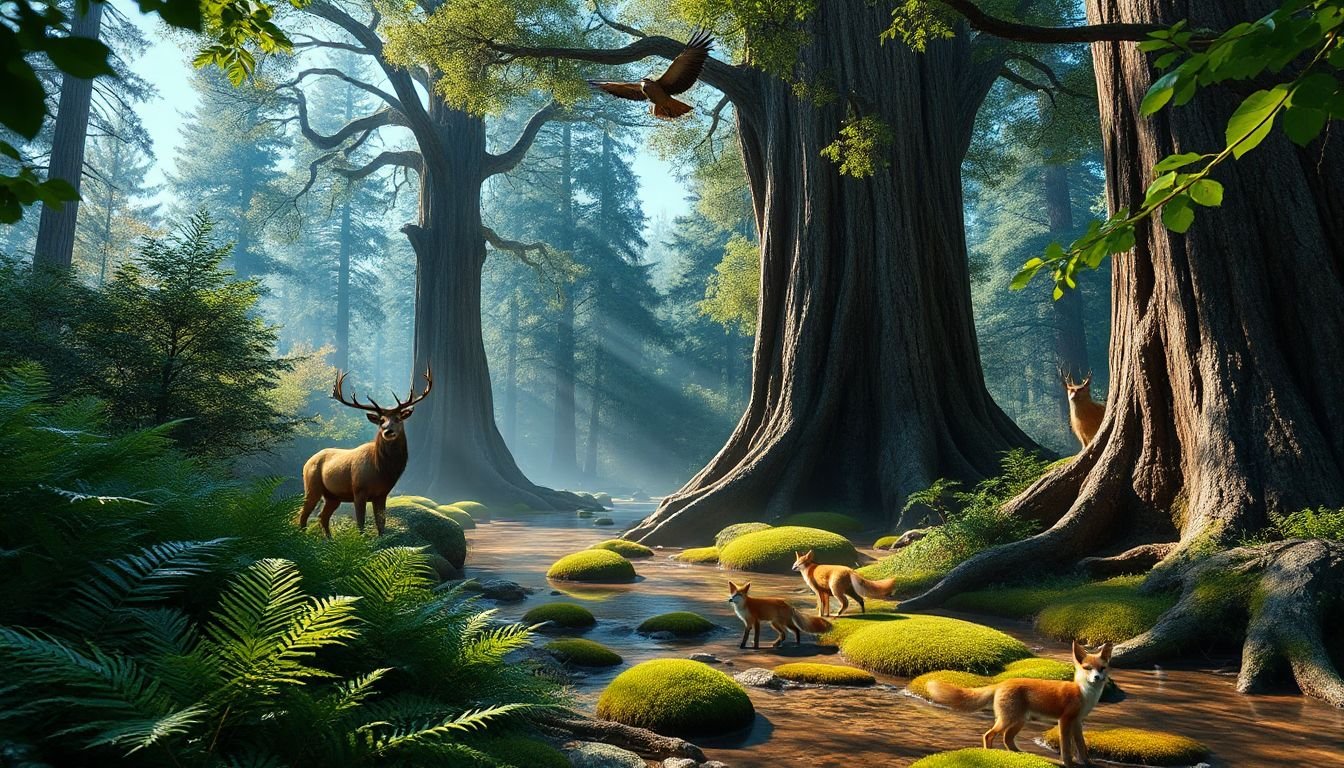
Animals in Forest Ecosystems: The Hidden Drivers of Nature’s Balance
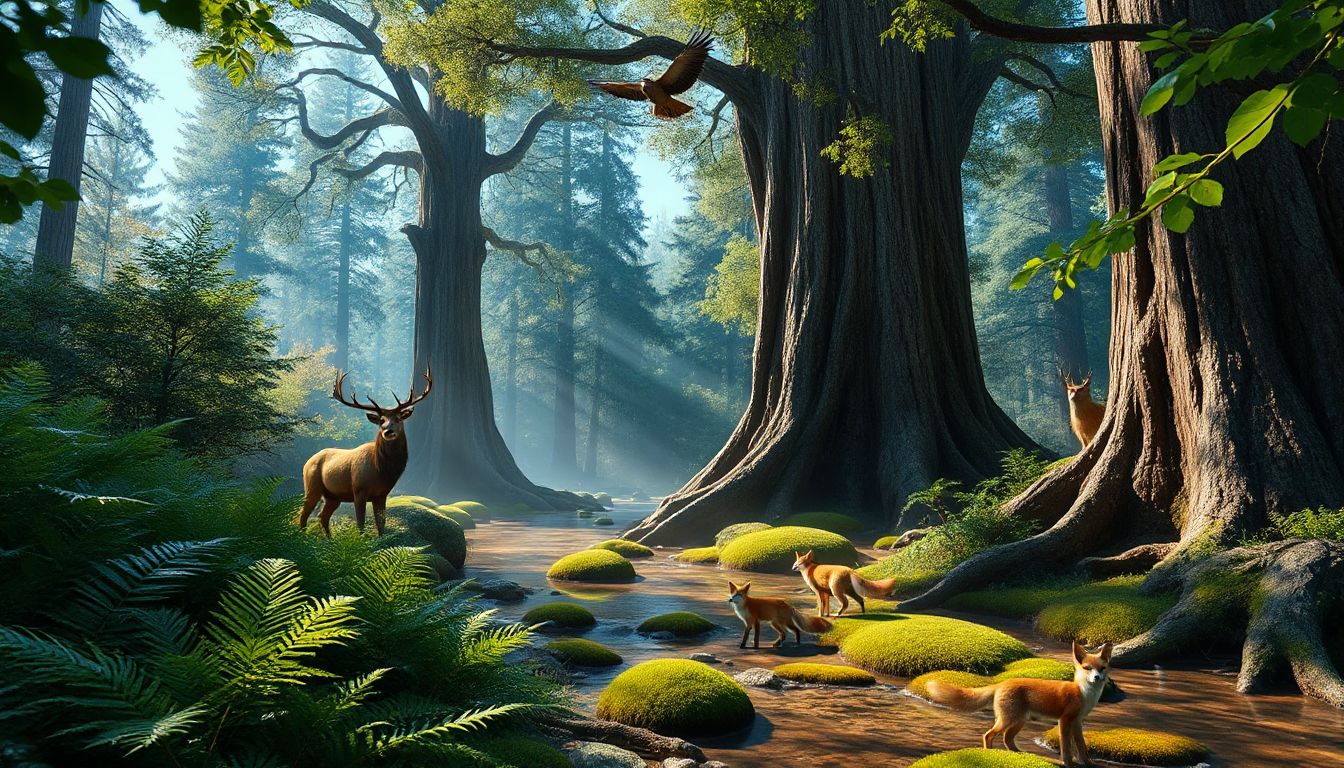
Forests aren’t just tall trees and green leaves. They pulse with life, thanks to the animals that call them home. Imagine a world where every rustle in the underbrush plays a part in keeping the whole place thriving.
This article dives into how animals shape forest ecosystems. You’ll see their roles in food chains, seed spreading, and balance. By the end, you’ll grasp why these creatures are key to healthy woods—and what we can do to protect them.
Section 1: Classification of Forest Fauna: Who Lives Here?
Animals in forest ecosystems come in all shapes and sizes. They range from tiny bugs to massive bears. Each group fits into the web of life in its own way.
Herbivores: The Primary Consumers Shaping Vegetation
Deer munch on tender shoots and leaves. Rabbits nibble grass and bark. Insects like caterpillars strip away at foliage too.
These herbivores control plant growth. Their eating habits keep some plants from taking over. This selective browsing boosts diversity in the canopy and understory.
Think about how deer paths open up spaces for new growth. Without them, forests could turn into thick tangles. Forest herbivores impact on canopy structure by pruning branches and promoting varied heights.
- Deer favor young trees, which lets older ones thrive.
- Rabbits create clearings that invite wildflowers.
- Beetles bore into wood, recycling nutrients back to the soil.
This grazing prevents monocultures and supports a mix of species.
Carnivores and Omnivores: Apex Predators and Regulators
Wolves hunt in packs to take down elk. Bears scavenge or chase fish and berries. Cougars stalk quietly for a deer meal.
These predators keep herbivore numbers in check. Too many plant-eaters could strip a forest bare. Apex predators maintain balance by culling the weak or overpopulated.
Look at Yellowstone. When wolves returned in 1995, rivers stabilized. Fewer elk meant less damage to banks, and plants bounced back. This trophic cascade shows how one animal can ripple through the whole system.
Omnivores like raccoons eat both meat and plants. They clean up scraps and control pests. Their flexible diets make them key players in forest stability.
Invertebrates: The Unsung Decomposers and Soil Engineers
Beetles crawl through dead logs. Earthworms tunnel deep into dirt. Ants haul bits of leaves to their nests.
These small critters break down waste. They turn fallen leaves into rich soil. Without them, nutrients would stay locked in rot.
Insects aerate the ground as they move. This lets water and air reach plant roots. Earthworms mix layers, bringing fresh minerals up.
Forests rely on these hidden workers. A single tree might host thousands of bugs. Their efforts keep the cycle spinning.
Section 2: Trophic Levels and Energy Flow in Forest Food Webs
Energy starts at the bottom with plants. It flows up through animals. This pyramid holds the forest together.
Producers and the Base of the Forest Pyramid
Trees soak up sunlight to make food. Shrubs and ferns add to the mix below. These producers fuel everything above them.
Primary consumers like deer eat this greenery. Birds peck at fruits from branches. The energy passes on with each bite.
Without strong producers, the chain breaks. Sunlight turns leaves into meals for all. This base supports the bustling animal life in forests.
Decomposers: Completing the Nutrient Cycle
Fungi spread webs under the soil. Millipedes chew on decaying wood. Worms pull leaves down into burrows.
They recycle dead matter into usable stuff. Minerals return to roots for new growth. This closes the loop in forest ecosystems.
Detritivores speed up breakdown. A fallen oak might take years to vanish. But with help from bugs, it nourishes the next generation.
Bacteria join in, though we focus on animals here. Their work keeps soil fertile. Imagine a forest without this—barren ground.
Symbiotic Relationships: Mutualism, Commensalism, and Parasitism
Birds pick ticks off deer backs. Both win from the clean-up. This mutualism strengthens bonds in the woods.
Squirrels bury nuts, forgetting some. Those sprout into trees later. Commensalism lets one benefit without harm to the other.
Ticks latch onto hosts for blood. Parasitism drains energy but rarely kills outright. Forest ecological interactions like these weave a tight net.
Frugivores such as jays eat berries and drop seeds far away. This spreads plants across the land. Burrowing moles aerate soil, aiding root growth in return.
These ties show how animals depend on each other. One shift can tip the balance. What if a key partner vanishes?
Section 3: Keystone Species: Animals That Hold the Ecosystem Together
Some animals punch above their weight. They shape the forest more than their numbers suggest. Keystone species keep it all in place.
Defining Keystone Roles in Forest Dynamics
A keystone is like the stone that locks an arch. Remove it, and the structure falls. These animals have outsized effects.
Elephants in some forests knock down trees. This creates light gaps for new plants. Their presence boosts variety.
In North American woods, wolves fit this role. They control deer, letting willows grow tall. Keystone species drive change across levels.
Engineers of the Forest Floor and Structure
Beavers dam streams to form ponds. These wetlands draw birds and fish. Their work reshapes the landscape.
Woodpeckers drill holes in trunks. Owls and squirrels move in later. This nesting aid supports many birds.
Gophers dig tunnels that mix soil. Seeds fall in and take root. These engineers build habitats from the ground up.
Forests change with their efforts. A beaver pond might last decades. It turns dry land into a watery haven.
Keystone Predators and Population Balance
Cougars keep deer on the move. This prevents overbrowsing in one spot. Plant diversity flourishes naturally.
Wolves in Europe maintain elk herds at healthy sizes. Without them, grasslands invade forests. Predators ensure even growth.
Data from parks reveals this. Areas with predators have twice the bird species. Balance comes from top control.
Their absence leads to booms and crashes. We see it in overgrazed valleys. Keystone predators prevent that chaos.
Section 4: Animals as Agents of Change: Seed Dispersal and Regeneration
Animals don’t just eat—they spread life. They carry seeds to new spots. This helps forests renew after fires or storms.
The Role of Frugivores in Forest Propagation
Birds swallow berries whole. Seeds pass through and land with fertilizer. Mammals like foxes do the same.
Wind scatters some seeds close by. But animals take them miles away. This promotes genetic mix and fills gaps.
Frugivores ensure wide coverage. A single crow might plant dozens of oaks. Animal dispersal beats wind for distance.
Forests regenerate faster this way. Isolated trees give way to thick stands. Diversity follows the trails of these carriers.
Scarification and Seed Preparation
Squirrels cache acorns in fall. Some get eaten, others forgotten. Digestion or soil burial cracks hard shells.
Bird guts add acids that scarify seeds. Germination rates soar—up to 50% higher. Jays scatter and prep in one go.
This process mimics natural wear. Rain alone might take years. Animals speed it up for quicker regrowth.
Forest managers build corridors for these dispersers. Plant berry bushes along paths. This links habitats and aids spread.
Burrowing Animals and Soil Mixing
Moles push dirt to the surface. It forms mounds where seeds settle. Gophers churn deep layers for better drainage.
Their tunnels let water seep in. Roots find paths easier. Nutrient flow improves across the forest floor.
One gopher colony can turn over tons of soil yearly. This creates seed beds naturally. Burrowers refresh the ground for life.
Without them, soil hardens. Plants struggle to take hold. These diggers keep regeneration alive.
Section 5: Threats and Conservation: Protecting Forest Fauna
Human actions harm these vital animals. Roads cut through woods. Pollution poisons streams.
We must act to save them. Protected zones help. Smart habits matter too.
Habitat Fragmentation and Its Impact on Movement Corridors
Developments slice forests into patches. Animals can’t roam freely. Genetic pools shrink, leading to weak offspring.
Deer hit fences and die. Birds lose migration routes. Fragmentation raises extinction risks.
Corridors of green space link areas. They let species move and breed. Without them, isolation dooms locals.
Invasive Species and Predation Shifts
Burmese pythons invade and eat native prey. They throw off balances. Local hunters starve.
Pigs root up plants, ruining homes. They outbreed natives fast. Invasives disrupt food webs.
Control efforts remove them early. Monitoring spots new threats. Quick action saves the chain.
Conservation Strategies Focused on Animal Health
Support parks and reserves. They shield core habitats. Vote for green policies.
Watch wildlife from afar. No feeding or chasing. This cuts stress on animals.
Back research on endangered ones. Track populations with cameras. “Biodiversity is our safety net,” says wildlife biologist Dr. Elena Ruiz. We need constant checks.
Plant native trees. Join clean-up drives. Small steps build big change.
Conclusion: The Interdependence of Forest Life
Animals weave the fabric of forest ecosystems. From decomposers to predators, each level matters. Keystone species anchor it all.
Their roles in dispersal and balance keep woods vibrant. Lose them, and the system crumbles. We’ve seen cascades in places like Yellowstone.
Protect these habitats now. Step into a forest and feel the pulse. What will you do to keep it beating? Join a local group or spread the word—your actions count for the wild.
Also Visits:
Leave a Reply